

Renting a property in Philadelphia comes with its own set of responsibilities and challenges. From managing utility costs to maintaining a safe and clean living environment, it’s crucial to be proactive and well-prepared. Remember to communicate with your landlord regarding any significant issues beyond your capabilities. By taking proactive steps, you’ll enhance your rental experience and ensure a comfortable and enjoyable stay in the fantastic city of Philadelphia.
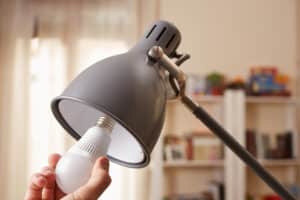
1. Energy-Efficient Lighting: Replace traditional light bulbs with energy-efficient LED bulbs, which consume less electricity and have a longer lifespan.
2. Smart Thermostat: Invest in a programmable or smart thermostat to regulate heating and cooling, optimizing energy usage and reducing costs.
3. Unplug Electronics: When not in use, unplug electronics and appliances to prevent phantom power consumption, which can account for a significant portion of your electricity bill.
4. Responsible Water Usage: Be mindful of water consumption by fixing leaky faucets promptly, using efficient showerheads, and considering water-saving devices like faucet aerators and dual-flush toilet kits.
5. Energy-Efficient Appliances: When renting a property, you may not have control over the appliances provided, but if you do, opt for energy-efficient models. Look for appliances with the ENERGY STAR label, as they are designed to consume less energy without compromising functionality.
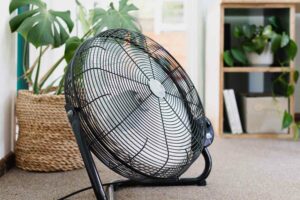
6. Air Conditioning and Heating: In Philadelphia’s varying climate, managing heating and cooling costs is crucial. Set your thermostat to a moderate temperature that suits your comfort level. Consider using fans or opening windows during mild weather instead of relying solely on air conditioning. Properly insulate your windows and doors to prevent heat loss during winter and cool air escape during summer.
 7. Utilize Natural Light: Take advantage of natural light by keeping curtains or blinds open during the day. This reduces the need for artificial lighting and can significantly decrease your electricity consumption.
8. Time-of-Use Electricity Rates: Inquire with your utility provider about any time-of-use electricity rates available. Some providers offer lower rates during off-peak hours. If feasible, adjust your energy usage for activities like laundry and dishwashing to these times.
9. Energy Audit: Request an energy audit from your utility provider. They can assess your rented property’s energy efficiency and provide personalized recommendations for reducing energy consumption. They might suggest sealing air leaks, adding insulation, or upgrading appliances for better efficiency.
 10. Water Conservation: Reduce water consumption by taking shorter showers, fixing leaky faucets promptly, and using water-efficient appliances. Dishwashers and washing machines with high energy-efficiency ratings can help conserve both water and electricity.
11. Conscious Habits: Cultivate energy-saving habits by turning off lights when leaving a room, unplugging electronic devices when not in use, and using power strips to easily switch off multiple devices at once. Small changes in daily routines can have a significant impact on reducing utility bills.